
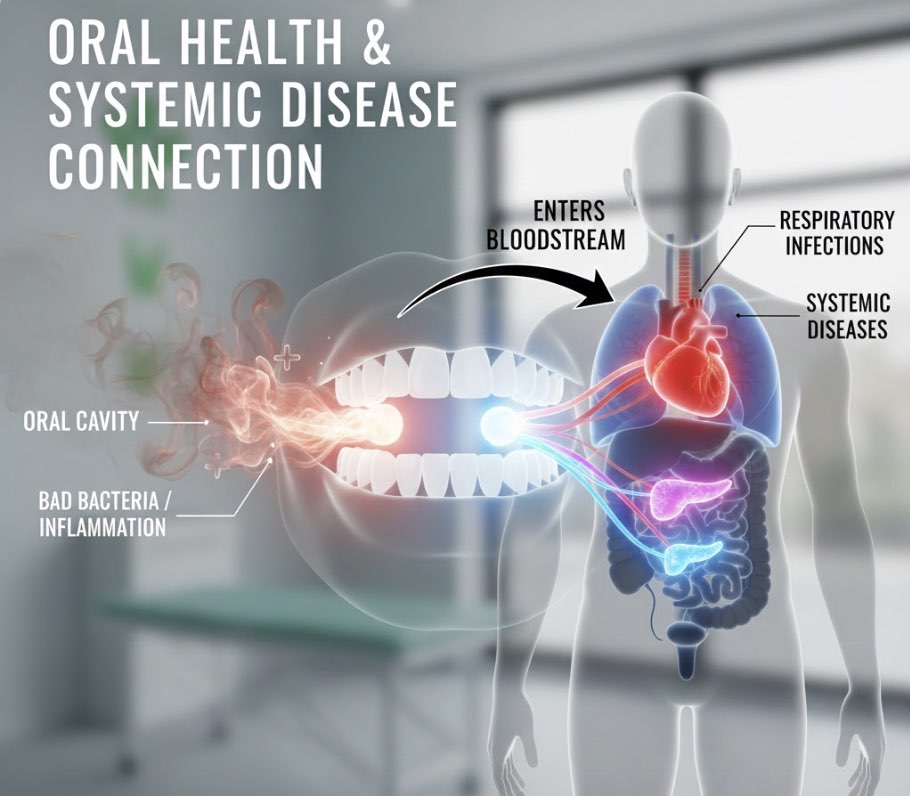
Oral health is often overlooked, but it plays a vital role in maintaining overall body health. Your mouth is the gateway to your body, and problems that start in the oral cavity can affect major organs if left untreated. Poor oral hygiene doesn’t just cause cavities or bad breath but also can contribute to serious systemic diseases.
Research shows a strong connection between oral health and conditions such as heart disease, diabetes, and respiratory infections. Bacteria from infected gums can enter the bloodstream, triggering inflammation throughout the body. This makes oral care an essential part of preventive healthcare.
Maintaining good oral hygiene is not only about a bright smile but also about protecting your long-term physical well-being. Understanding this connection can help you take better care of both your mouth and your body.
1. The Mouth–Body Connection
The mouth is home to millions of bacteria, both good and harmful. When oral hygiene is poor, harmful bacteria multiply and cause gum disease and infections. These bacteria can travel from the mouth to other parts of the body through the bloodstream.
Inflammation caused by gum disease can weaken the immune system and increase the risk of chronic illnesses. This is why dentists and doctors often emphasize oral health as part of overall wellness.
A healthy mouth supports a healthy body by reducing bacterial load and preventing systemic inflammation.
2. Oral Health and Heart Disease
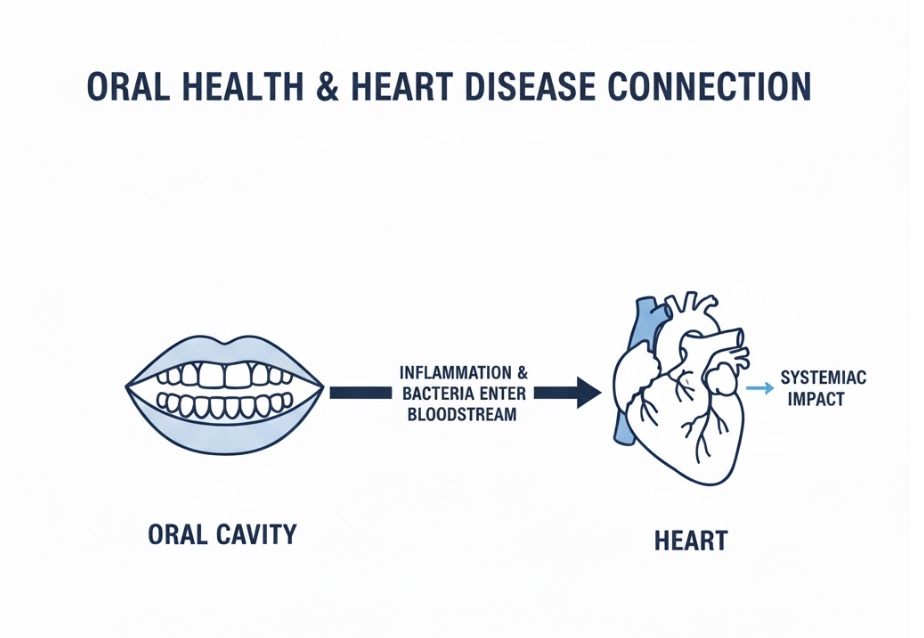
Studies have found a link between gum disease and heart conditions such as coronary artery disease. Bacteria from infected gums can attach to fatty plaques in the arteries, increasing the risk of blockages.
Chronic inflammation from periodontal disease may also contribute to high blood pressure and heart attacks. While oral health issues don’t directly cause heart disease, they can significantly increase risk factors.
Regular dental checkups and proper brushing and flossing help lower these risks and support cardiovascular health.
3. Diabetes and Gum Disease: A Two-Way Relationship
Diabetes and oral health are closely connected. People with diabetes are more prone to gum infections due to reduced immune response. At the same time, severe gum disease can make it harder to control blood sugar levels.
Inflammation from periodontal disease interferes with insulin function, worsening diabetic symptoms. This creates a cycle where each condition aggravates the other.
Maintaining good oral hygiene can help diabetic patients manage their condition more effectively.

4. Impact on Respiratory Health
Poor oral health can also affect the lungs. Harmful bacteria in the mouth can be inhaled into the respiratory tract, leading to infections such as pneumonia.
This risk is higher in older adults, smokers, and individuals with weakened immune systems. Maintaining a clean mouth reduces the number of harmful bacteria that can enter the lungs.
Good oral hygiene is especially important for people with existing respiratory conditions.
5. Oral Health During Pregnancy
Pregnant women with poor oral health are at higher risk of complications such as preterm birth and low birth weight. Hormonal changes during pregnancy can make gums more sensitive and prone to inflammation.
Gum disease can increase inflammatory markers in the body, which may affect fetal development. Regular dental care during pregnancy is safe and strongly recommended.
Healthy gums contribute to a healthier pregnancy and baby.
6. Oral Health and Mental Well-Being
Oral problems can impact mental health by affecting self-confidence and social interactions. Issues like tooth loss, bad breath, or visible decay may cause embarrassment and anxiety.
Chronic dental pain can also contribute to stress and reduced quality of life. When oral health improves, people often experience better self-esteem and emotional well-being.
A healthy smile supports both mental and physical health.
7. Tips to Maintain Good Oral and Overall Health
Simple daily habits can protect both oral and body health. Brush twice a day with fluoride toothpaste and floss regularly to remove plaque and bacteria.
Limit sugary foods and drinks, as they promote tooth decay and inflammation. Drinking plenty of water helps wash away food particles and bacteria.
Most importantly, visit your dentist regularly for checkups and early detection of problems.
Conclusion
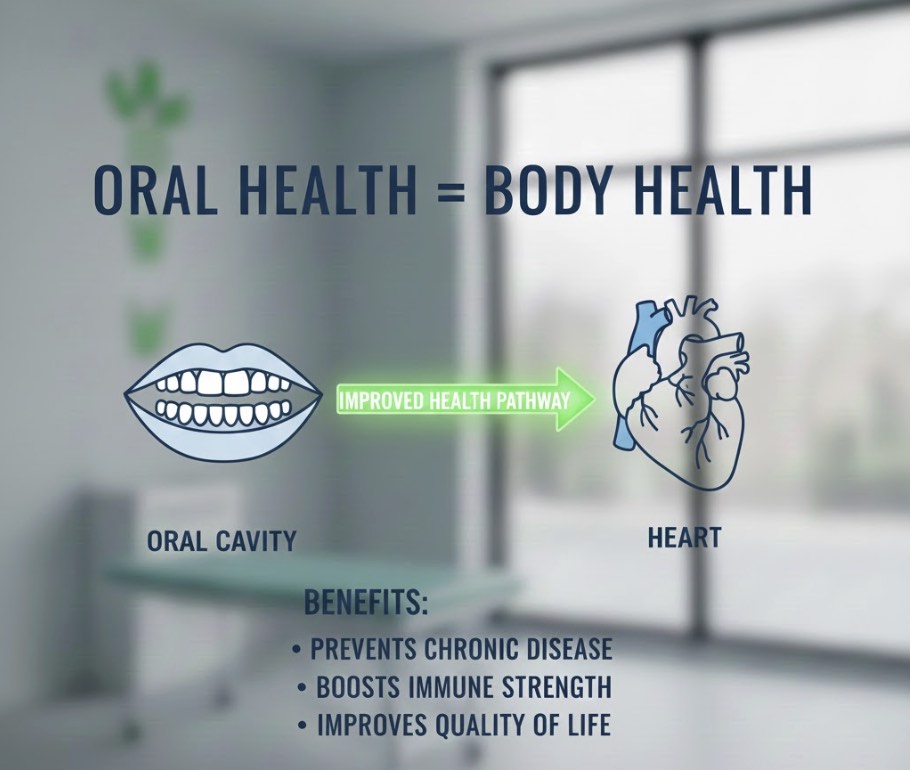
Oral health is deeply connected to overall body health, influencing everything from heart function to immune strength. Ignoring dental care can lead to serious health complications beyond the mouth.
By maintaining good oral hygiene and seeking regular dental care, you can reduce the risk of chronic diseases and improve your quality of life. A healthy mouth truly supports a healthy body.
Investing in oral health is an investment in your overall well-being.
Oral health affects overall body health by allowing harmful bacteria from the mouth to enter the bloodstream. This can lead to inflammation and increase the risk of heart disease, diabetes, and respiratory infections.
Yes, untreated gum disease can contribute to serious conditions such as cardiovascular disease, diabetes complications, and weakened immunity due to chronic inflammation.
Studies show a strong association between gum disease and heart disease. Oral bacteria may contribute to plaque buildup in arteries, increasing heart-related risks.
Poor oral health can make blood sugar harder to control. At the same time, diabetes increases the risk of gum disease, making oral hygiene essential for managing diabetes.
Brush twice daily, floss regularly, eat a balanced diet, avoid tobacco, limit sugar intake, and visit the dentist regularly for checkups
📩 Need help with dental health?
Contact Us for Guidance